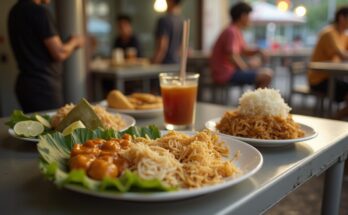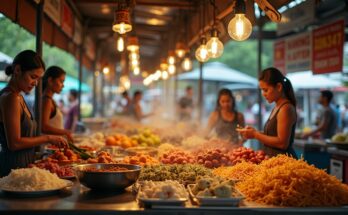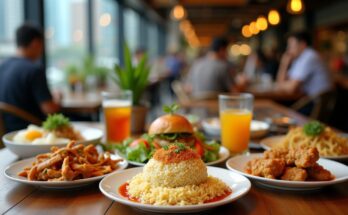
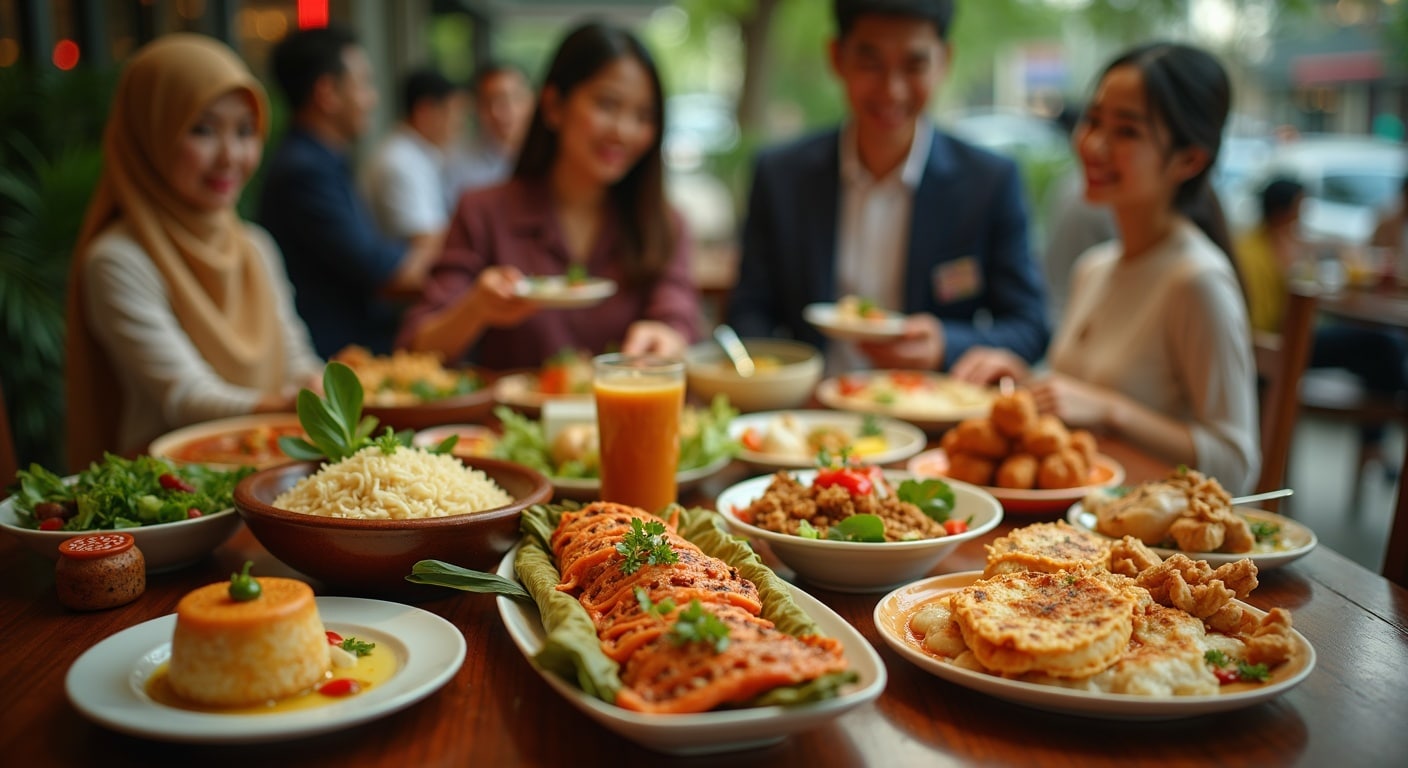
Malaysian food culture is a mix of Malay, Chinese, Indian, Indigenous and regional influences that shape how people eat every day. For first-time visitors, it is not just about famous dishes like nasi lemak or char kway teow. It is also about where people eat, how food is shared, when locals dine, and why hawker centres, kopitiams and Ramadan bazaars matter so much.
In simple terms, Malaysian food culture can be understood through five ideas: strong cultural diversity, bold flavours, affordable everyday eating, communal dining and local customs. If you are planning your first food-focused trip, this guide works well alongside our Malaysia Food Guide for First-Time Visitors for a broader introduction to what to eat across the country.
What is Malaysian food culture?
Malaysian food culture refers to the ingredients, dishes, dining habits, traditions and social values connected to food in Malaysia. Food is part of daily life, family gatherings, festivals, travel and even business meetings.
A concise definition is this: Malaysian food culture is multicultural, flavour-rich and community-driven.
For example, one street in Kuala Lumpur may have a Malay nasi campur stall, a Chinese noodle shop and an Indian banana leaf restaurant side by side. In Penang, breakfast could mean kaya toast and kopi, while in Kelantan it may mean nasi kerabu with blue rice and herbs.
This variety is one reason food is often the easiest way for visitors to understand Malaysia. If you are exploring beyond the capital, destinations featured in top places in Malaysia often come with their own local food identity too.
Why food is central to everyday life in Malaysia
In Malaysia, food is not treated as a once-in-a-while indulgence. It is woven into the rhythm of the day. People often discuss where to eat before discussing what to do. It is common for friends to meet over breakfast, tea, supper or late-night snacks.
One practical reason is convenience. In many Malaysian cities and towns, eating out is affordable and accessible. Hawker stalls, food courts and mamak restaurants serve meals from morning until late night. This creates a dining culture where people regularly eat outside the home.
Food is also social. Many meals are shared, especially with family or groups of friends. Ordering several dishes for the table is common in Chinese restaurants, while banana leaf meals in Indian eateries often come with refillable rice and shared side dishes.
A typical local scenario might look like this:
- Breakfast at a kopitiam with half-boiled eggs and toast
- Lunch at a mixed rice stall
- Tea break with kuih or teh tarik
- Supper at a mamak after 10pm
For travellers on a tight budget, this food culture is helpful because eating well does not have to be expensive. Articles like budget travel in Malaysia can help you plan around affordable local dining.
The main influences behind Malaysian flavours
Malaysian flavours are shaped by multiple communities and trade history. The result is layered, aromatic and often balanced between spicy, sweet, savoury, sour and rich.
Malay influence
Malay cuisine often uses coconut milk, sambal, turmeric, lemongrass, pandan and belacan. Dishes such as nasi lemak, rendang and satay are key examples.
Chinese influence
Chinese Malaysian food brings noodle dishes, stir-fries, roast meats, herbal soups and kopitiam culture. Examples include Hokkien mee, chicken rice and dim sum.
Indian influence
Indian Malaysian food is known for curries, spices, banana leaf rice, roti canai and teh tarik. South Indian flavours are especially visible in many urban areas.
Regional and Indigenous influence
Sabah and Sarawak add another layer through ingredients such as bambangan, midin and unique preparations of noodles, smoked foods and forest produce.
A practical tip for beginners: if you find one dish too spicy, try a milder comparison. For example, chicken rice is usually gentler than nasi kandar, and curry mee is often richer than dry chilli-based noodles.
Where locals eat: hawker stalls, kopitiams and mamak spots
Understanding where people eat is a big part of understanding malaysian food culture. Visitors often assume restaurants are the main experience, but everyday food life often happens in more casual places.
Hawker centres and food courts
These are ideal for trying several dishes in one location. They are practical for groups because everyone can order from different stalls. In Penang, hawker food is a major attraction in itself.
Kopitiams
A kopitiam is a traditional coffee shop, often serving toast, eggs, kopi, noodles and simple rice dishes. It is a classic breakfast or tea-time stop.
Mamak restaurants
Mamak eateries, run by Indian Muslim operators, are famous for roti canai, nasi kandar, mee goreng and teh tarik. Many stay open late and are common social hangouts.
If you are spending a short city break in the capital, combining sightseeing with neighbourhood food stops can be a smart plan. For example, a weekend getaway in KL often includes late-night mamak meals and morning kopitiam visits.
Dining customs and etiquette visitors should know
Dining etiquette in Malaysia is generally relaxed, but a few customs help visitors feel more comfortable and respectful.
- Wait for everyone to be served before starting in more formal group settings
- Sharing dishes is very common, especially in Chinese-style meals
- In some Malay and Indian settings, eating with the right hand is preferred
- At self-service stalls, you may pay directly at the stall rather than at a central counter
- Halal awareness matters, especially for Muslim diners
A useful beginner tip is to observe what locals are doing before ordering or sitting down. In a hawker centre, one table might be reserved with tissue packets while another requires you to order first and then find a seat. These small habits vary by state and venue.
Also note that spice tolerance differs widely. If you are unsure, ask whether a dish is pedas, which means spicy. Most vendors will answer directly.
Popular mealtime patterns and food occasions
Meal timing in Malaysia can feel flexible compared with some countries. Many people eat multiple small meals or snacks throughout the day.
Common patterns include:
- Breakfast: nasi lemak, roti canai, noodle soup, kaya toast
- Lunch: rice with several dishes, noodles, chicken rice
- Tea time: kuih, curry puffs, drinks, light snacks
- Dinner: seafood, rice meals, grilled foods, steamboat
- Supper: mamak food, satay, burgers, fried noodles
Festive food is another major part of malaysian food culture. During Hari Raya, open houses may serve rendang, lemang and ketupat. During Chinese New Year, families gather around reunion meals. During Deepavali, sweets and banana leaf meals are common highlights. Ramadan bazaars are especially popular because they showcase seasonal favourites in one place.
For visitors, these occasions offer cultural insight beyond taste alone. A bazaar in Kuala Lumpur feels very different from a seafood dinner in Kota Kinabalu or a heritage kopitiam breakfast in Ipoh.
How to explore Malaysian food culture as a beginner
The easiest way to start is by trying a mix of settings, cuisines and price points rather than chasing only the most famous dishes.
Here is a practical beginner approach:
- Start with familiar staples like nasi lemak, chicken rice or roti canai
- Try one hawker centre to compare several dishes at once
- Visit a kopitiam for breakfast
- Try one shared group meal such as seafood or banana leaf rice
- Sample regional specials when travelling between states
You can also use this simple comparison table:
- For mild flavours: chicken rice, kaya toast, fish ball noodles
- For rich flavours: nasi lemak, curry mee, laksa
- For spicy flavours: nasi kandar, sambal dishes, certain stir-fried noodles
- For social dining: steamboat, seafood restaurants, banana leaf meals
A good tip is to avoid eating all your must-try dishes in one day. Malaysia rewards slow exploration. A traveller spending a week in the country will notice clear differences between KL food courts, Penang hawker stalls and East Malaysian local markets.
FAQ about Malaysian food culture
What is special about Malaysian food culture?
Malaysian food culture is special because it combines Malay, Chinese, Indian and regional traditions in one food scene. It is diverse, affordable and strongly tied to daily social life.
Is Malaysian food always spicy?
No. Many Malaysian dishes are spicy, but plenty are mild. Chicken rice, kaya toast, some soups and many steamed or roasted dishes are suitable for visitors who prefer less heat.
What is the best place to experience Malaysian food culture?
Hawker centres, kopitiams and mamak restaurants are some of the best places to experience everyday food culture. They show how locals actually eat across different times of day.
Can tourists easily find halal food in Malaysia?
Yes. Halal food is widely available, especially in Malay restaurants, mamak eateries and many food courts. Still, visitors should check signage if halal dining is important to them.
What should first-time visitors try first?
Start with nasi lemak, roti canai, chicken rice and local coffee shop breakfasts. These dishes are widely available and give a balanced introduction to major food traditions.
Conclusion
Malaysian food culture is best understood as a daily, shared and multicultural experience rather than a simple list of famous dishes. The real appeal comes from the mix of flavours, the casual dining spaces, the regional differences and the social habit of eating together at almost any hour.
For first-time visitors, the smartest approach is to explore gradually, ask questions, and try food in the settings where locals actually eat. If you want a broader overview of dishes and planning tips, continue with our Malaysia Food Guide for First-Time Visitors to build your food itinerary with more confidence.