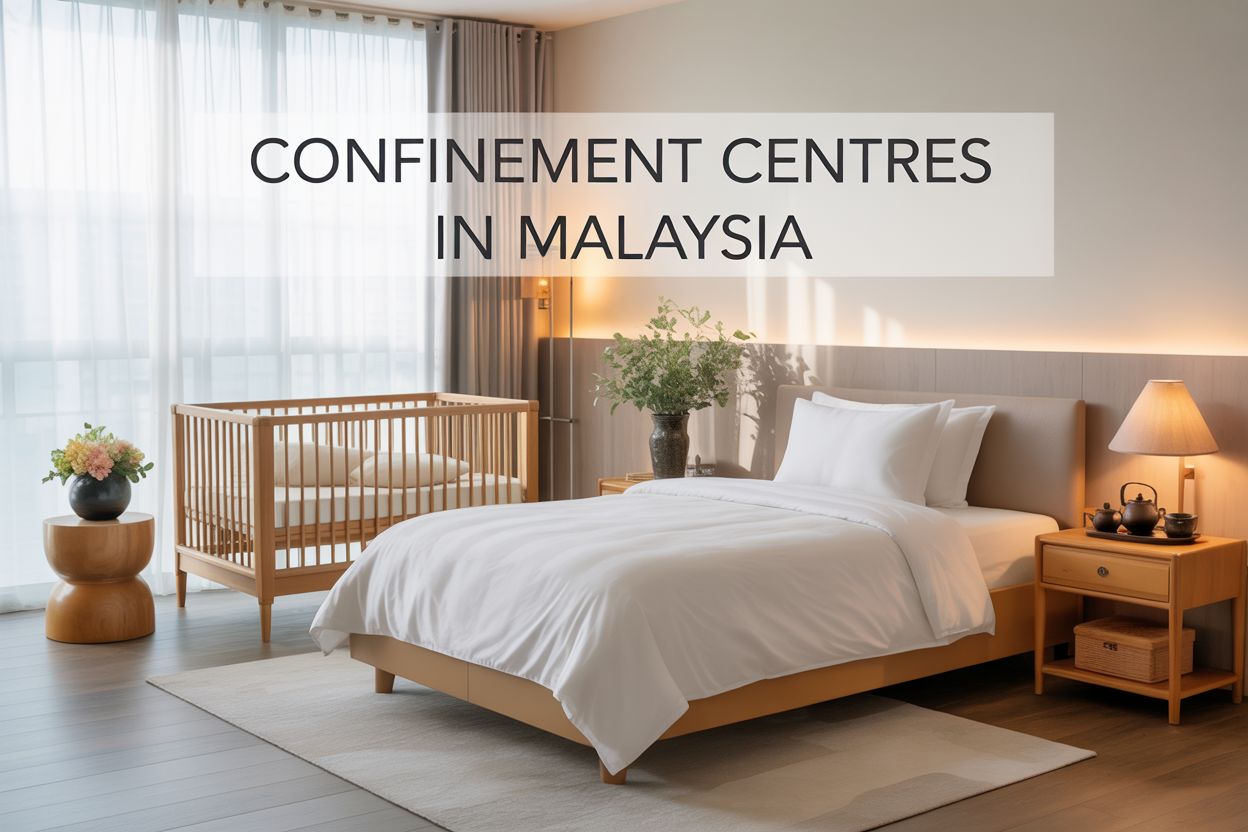
New moms and expecting parents in Malaysia face a big decision after childbirth: should you recover at home or book a stay at a confinement centre? These specialized postpartum care facilities have become incredibly popular across the country, offering round-the-clock support during those crucial first weeks with your newborn.
This confinement centre guide covers everything you need to know before making your choice. You’ll discover what services these centers actually provide and why so many Malaysian families swear by them. We’ll break down the real costs involved and what factors bump up the price, plus give you a clear checklist for choosing the right confinement centre that matches your family’s needs and budget.
Whether you’re a first-time mom feeling overwhelmed or a seasoned parent considering professional postnatal care centre support, these insights will help you make an informed decision about your postpartum recovery journey.
What Confinement Centres Are and Why They’re Popular in Malaysia
Traditional postpartum care reimagined for modern mothers
Confinement centres in Malaysia represent a beautiful evolution of the traditional Chinese practice of “zuoyuezi” or “sitting the month.” This ancient custom requires new mothers to rest for 30 to 40 days after childbirth, following specific dietary restrictions, avoiding cold foods, and limiting physical activity to promote healing.
Modern confinement centre Malaysia facilities take these time-honored practices and adapt them for today’s busy families. Instead of relying solely on mothers-in-law or family members for care, new mothers can now access professional services in comfortable, hotel-like environments. These centers combine traditional wisdom with contemporary medical knowledge, creating a perfect blend that respects cultural values while meeting modern standards.
The transformation addresses many challenges faced by urban Malaysian families. With smaller family units and working mothers-in-law, finding someone knowledgeable enough to provide proper postpartum care becomes difficult. Confinement centre services fill this gap by offering expert guidance on everything from breastfeeding techniques to traditional herbal treatments.
Professional support that replaces family caregiving
Gone are the days when new mothers had to depend entirely on family members for postpartum support. Postnatal care centres now provide round-the-clock professional assistance from trained caregivers, lactation consultants, and healthcare professionals who understand both traditional practices and modern medical requirements.
These professionals bring specialized knowledge that even well-meaning family members might lack. Trained nurses monitor recovery progress, experienced caregivers prepare traditional confinement meals with precise nutritional balance, and lactation specialists help establish successful breastfeeding routines. This level of expertise often surpasses what family caregivers can provide, especially first-time grandmothers who might feel uncertain about current best practices.
The professional environment also reduces family tensions that sometimes arise during postpartum care. Different generations often have conflicting views on child-rearing practices, diet restrictions, and recovery methods. Best confinement centre Malaysia facilities provide neutral ground where evidence-based practices guide care decisions, removing emotional pressure from family relationships during this sensitive period.
Cultural significance in Malaysian Chinese communities
Within Malaysian Chinese communities, confinement practices carry deep cultural meaning that extends beyond physical recovery. The practice represents respect for motherhood, acknowledgment of the birthing process’s demands on a woman’s body, and community support for new families. Traditional postpartum care Malaysia customs include specific foods believed to restore energy, herbs that promote healing, and practices designed to prevent future health problems.
Confinement centres preserve these cultural traditions while making them accessible to modern families. They employ cooks trained in preparing traditional confinement cuisine, use authentic ingredients, and maintain practices like avoiding cold foods and drafts. Many centers also incorporate Traditional Chinese Medicine principles, offering services like postnatal massage and herbal bath preparations.
The cultural aspect extends to creating a supportive community environment where mothers can share experiences with others going through similar journeys. This social support system mirrors the village-like care that characterized traditional Chinese society, helping combat postpartum depression and isolation that modern mothers often experience.
Growing acceptance among diverse ethnic groups
What started as a predominantly Chinese practice has gained remarkable acceptance across Malaysia’s diverse ethnic landscape. Malay, Indian, and other ethnic communities increasingly recognize the confinement centre benefits and adapt them to their own cultural needs and preferences.
Many modern confinement centres now offer culturally diverse meal options, accommodating halal requirements for Muslim mothers and vegetarian preferences for some Indian families. They’ve learned to respect different religious practices while maintaining core principles of rest, nutrition, and professional support that benefit all new mothers regardless of background.
This cross-cultural adoption reflects growing awareness that postpartum recovery deserves dedicated attention and professional support. Urban Malaysian families, regardless of ethnicity, face similar challenges: busy lifestyles, nuclear family structures, and limited traditional knowledge about postpartum care. Choosing confinement centre services has become a practical solution that transcends cultural boundaries while respecting individual family values.
The acceptance also stems from positive outcomes reported by mothers from various backgrounds who’ve experienced these services. Word-of-mouth recommendations and visible health improvements in mothers who use confinement centres have convinced many initially skeptical families to consider these options for their own postpartum care needs.
How to Choose the Right Confinement Centre for Your Needs
Facility Cleanliness and Safety Standards to Evaluate
Walking into a potential confinement centre gives you an immediate sense of their standards. Pay attention to the entrance area, hallways, and common spaces during your visit. Fresh, clean scents and spotless surfaces should be the norm, not the exception. Check if staff follow proper hygiene protocols like hand sanitizing and wearing clean uniforms.
Look for visible cleaning schedules posted in rooms and ask about their disinfection procedures, especially for shared spaces like dining areas and lactation rooms. The best confinement centres in Malaysia maintain hospital-grade cleanliness standards with regular deep cleaning protocols.
Safety features matter just as much as cleanliness. Verify that fire exits are clearly marked and accessible, emergency contact numbers are displayed prominently, and first aid stations are available on each floor. Ask about their emergency response procedures and whether they have partnerships with nearby hospitals for urgent medical situations.
Staff Qualifications and Nurse-to-Patient Ratios
Professional qualifications make all the difference in your postpartum care experience. Insist on seeing credentials for registered nurses and ask about their specialized training in maternal and newborn care. Many top-tier confinement centre services require their staff to complete additional certifications in lactation support and traditional postnatal practices.
The nurse-to-patient ratio directly impacts the quality of attention you’ll receive. Ideal ratios should be no more than 1:6 during day shifts and 1:8 during night hours. Some premium facilities maintain even better ratios of 1:4 or 1:5. Don’t hesitate to ask for specific numbers during your consultation.
| Staff Role | Minimum Qualifications | Ideal Experience |
|---|---|---|
| Registered Nurse | Valid Malaysian nursing license | 2+ years maternal care |
| Lactation Consultant | IBCLC certification | Specialized postpartum training |
| Traditional Practitioner | Recognized training program | Cultural practice expertise |
| Support Staff | Basic healthcare training | Customer service background |
Menu Variety and Dietary Accommodation Options
Your nutritional recovery depends heavily on the meal quality and variety offered. Request sample menus covering a full week to assess if the confinement centre Malaysia location provides balanced, appealing options that support breastfeeding and healing.
Traditional postpartum care Malaysia emphasizes specific ingredients like ginger, dates, and herbal soups. Ask how they balance these traditional elements with modern nutritional science. The best facilities work with nutritionists to create menus that honor cultural practices while meeting contemporary dietary guidelines.
Special dietary needs require extra attention. Whether you’re vegetarian, have food allergies, or follow halal requirements, confirm that the center can accommodate your needs without compromising nutritional quality. Some centers offer customizable meal plans where you can adjust spice levels, exclude certain ingredients, or request additional portions of preferred dishes.
Room Types and Privacy Levels Available
Room selection significantly impacts your comfort and recovery experience. Single rooms offer maximum privacy for bonding with your baby and receiving visitors on your terms. Shared rooms provide cost savings and opportunities to connect with other new mothers, but consider whether you’re comfortable with potential noise and limited privacy during feeding times.
Examine room amenities carefully during your visit. Air conditioning controls, private bathrooms, adequate storage space, and comfortable seating for visitors all contribute to your overall experience. Some facilities offer different room tiers with varying amenities – from basic shared rooms to luxury suites with separate living areas.
Consider the layout and location within the facility. Rooms closer to nursing stations provide quicker access to help when needed, while those further away might offer more tranquility. Ask about policies regarding visitor hours, room service availability, and whether partners can stay overnight. The right choice depends on your personal preferences, budget, and support system needs.
Cultural Practices and Traditional Treatments Offered
Traditional Chinese Medicine approaches to recovery
Traditional Chinese Medicine (TCM) forms the backbone of postpartum care at most confinement centres in Malaysia. TCM practitioners believe that childbirth depletes a woman’s qi (vital energy) and creates an imbalance between yin and yang forces in the body. The recovery approach focuses on restoring this balance through carefully prescribed herbal remedies, acupuncture sessions, and energy-balancing treatments.
Many centres employ licensed TCM physicians who conduct detailed consultations to assess each mother’s constitution and specific needs. They create personalized treatment plans that may include herbal teas to boost energy, improve milk production, or address common postpartum issues like hair loss and joint pain. Acupuncture treatments help reduce inflammation, improve circulation, and promote emotional well-being during the vulnerable postpartum period.
The “warming” principle is central to TCM postpartum care. Practitioners believe new mothers need to rebuild their internal heat, which explains why certain cooling foods are avoided and warming treatments are emphasized. This holistic approach addresses not just physical recovery but also mental and emotional healing.
Herbal baths and therapeutic body treatments
Herbal baths rank among the most cherished services at traditional postpartum care Malaysia facilities. These therapeutic soaks typically feature a blend of Chinese herbs like ginger, lemongrass, pandan leaves, and various medicinal plants known for their healing properties. The warm herbal water helps improve blood circulation, reduce muscle tension, and speed up the healing of episiotomy wounds or cesarean scars.
Different herbal combinations target specific recovery needs. Some blends focus on reducing swelling and inflammation, while others aim to tighten loose skin and restore muscle tone. The aromatic herbs also provide aromatherapy benefits, helping new mothers relax and reduce stress.
Body treatments often include traditional binding services where the abdomen and hips are wrapped with special cloths or modern binding garments. This practice, common across many Asian cultures, supports weakened abdominal muscles and helps organs return to their pre-pregnancy positions. Some centres also offer herbal steam treatments and warming therapies using traditional methods passed down through generations.
Dietary therapy based on ancient postpartum wisdom
The dietary program at confinement centre Malaysia facilities follows centuries-old wisdom about postpartum nutrition. Traditional Chinese dietary therapy categorizes foods as “heaty,” “cooling,” or “neutral,” with postpartum menus heavily favoring warming foods that restore internal heat and energy.
Meals typically include nutrient-dense soups made with black chicken, red dates, goji berries, and ginseng. These ingredients are believed to boost blood production, improve circulation, and enhance milk supply. Ginger features prominently in most dishes, as it’s considered essential for expelling “wind” from the body and preventing future joint problems.
The eating schedule follows specific timing patterns, with smaller, frequent meals designed to support gradual digestive recovery. Rice wine chicken, herbal fish soups, and various organ meats form staples of the traditional menu. Modern centres often adapt these principles while incorporating contemporary nutritional knowledge, ensuring mothers receive both traditional benefits and scientifically-backed nutrition.
Massage services for physical and emotional healing
Professional massage therapy plays a vital role in physical and emotional recovery at postnatal care centres. Traditional Malay and Chinese massage techniques target specific postpartum concerns, from reducing muscle tension to improving milk flow and supporting emotional well-being.
Abdominal massage helps tone stretched muscles and supports organ repositioning, while breast massage techniques taught by experienced therapists can prevent blocked ducts and improve lactation. Full-body massages using warming oils help reduce swelling, improve circulation, and provide much-needed relaxation during the intensive recovery period.
Many centres train their massage therapists in both traditional techniques and modern therapeutic approaches. The massage sessions often incorporate healing oils infused with herbs, creating a multi-sensory healing experience. Beyond physical benefits, these one-on-one sessions provide emotional support and human connection during what can be an overwhelming time for new mothers.
Choosing a confinement centre in Malaysia is a big decision that affects both your recovery and your baby’s early weeks. From understanding the services and costs to checking health standards and cultural practices, you now have the knowledge to make an informed choice. Remember to visit potential centres, ask detailed questions, and trust your gut feelings about the staff and environment.
The right confinement centre can make all the difference in your postpartum journey. Take time to research your options, verify credentials, and prepare properly for your stay. Your comfort, safety, and peace of mind during this special time are worth the extra effort in finding the perfect place for you and your little one.